


- If you eat your crusts, you will get curly hair
- How come you’re not eating yours?
- Mine’s curly already.
As a young child I had straight hair. It was dark brown with an added red tinge when played with by the sun’s white-hot fingers. The red highlights like volcanic rock seams along cliff faces of Whakaraupō where my dad grew up.
Mum cut our hair. With seven kids, it made sense economically, but not stylistically. My fringe sat sharp-edged like a slightly sloping curtain on my forehead. My son now wears a bowl cut by choice and pays good money for it. Back then, with seven heads of hair to attend to, it was a necessity.
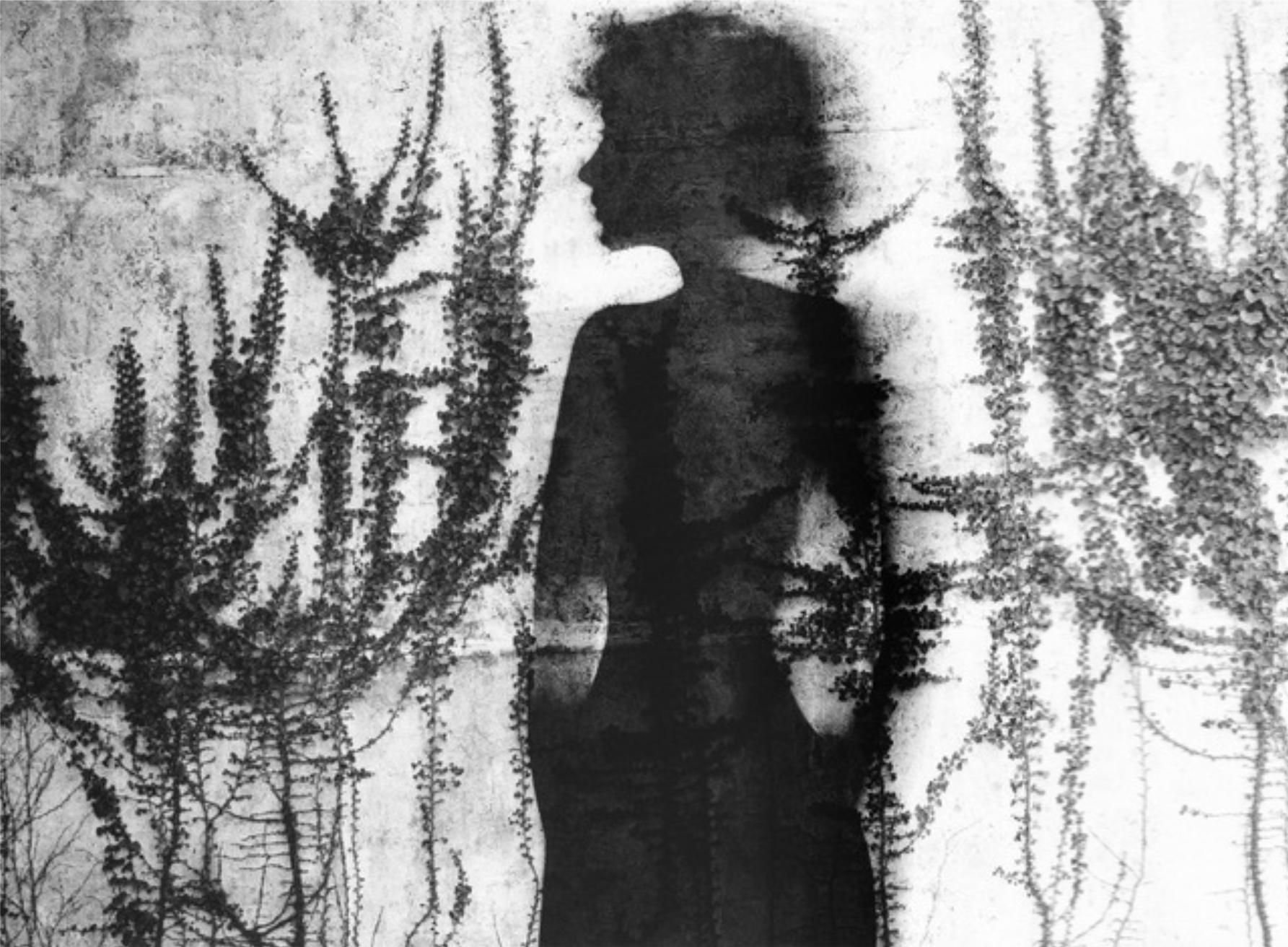
Mum manufactured a proud wave by licking her fingers, and moulding it into being with saliva and the warmth of her digits, like Tāne fashioning the first woman, Hineahuone, out of clay. The result was like the koru of an unfurling fern leaf on top of my head, or the sassy scroll at the top of a violin.
Dad’s hair was soft and tightly curled. It would have been a ‘fro if he’d ever let it grow long enough. But he kept it barber-cut for as long as I could remember. Even when he didn’t have much of it left near the end. My dad always wore his tidy hair with a sense of pride.
Mum had curls, too. Courtesy of multicoloured and plastic rollers of various sizes, the tiny nibs around the outside of each roller biting into damp clumps of hair, gripping them into submission. Her hair turned grey when she was quite young, so she dyed it. Copper, ash blonde, or a dark reddy-brown. Usually it fell into looser curls, but sometimes, particularly in the eighties, when the stripy boob-tube tops she wore clung to her chest, she wore it in small blonde curls like tightly wound anger.
What is it about curls that made them so desirable? In my mum’s day, many of the celebrities of the 40s and 50s had curly hair – Marilyn Monroe, Rita Hayworth and Elizabeth Taylor, to name a few. I like the attitude and unruliness of curls, as reflected in te taiao. They are as natural as the movement of water on a lake, or the wavy motion of grasses rippling along a hillside in the wind. They are naturally unruly.
I find it sad that so many curly girls spend so much time and money straightening out their curls these days. Those waves and spirals are a gorgeous contrast to the modern world of clipped men in suits, and straightness and rigidity. I love the moment in Ani Di Franco’s song “Blood in the Boardroom” when she says, “they can make straight lines out of almost anything, except for the line of my upper lip when it curls.”
In my baby photos (there are not many, due to being the seventh child – but I’m not bitter about it) my mum manufactured a proud wave by licking her fingers, and moulding it into being with saliva and the warmth of her digits, like Tāne fashioning the first woman, Hineahuone, out of clay. The result was like the koru of an unfurling fern leaf on top of my head, or the sassy scroll at the top of a violin.
I’ve always liked curly hair, so when I was little I did try to eat my crusts, but my hair stayed straight. I had it fashioned into a spiral perm in the 80s, which was extremely tight, and my hair was the curliest it has ever been. In my early 20s I had my hair dreadlocked for about six months. I loved them, but they got heavy and took too much maintenance, so I had them cut off. The funny thing is, that after my hair grew back, it was wavy. My dad would entice me to eat my bread crusts by saying I’d get curly hair as a result. Had the power of ‘the crust’ kicked in after all those years?

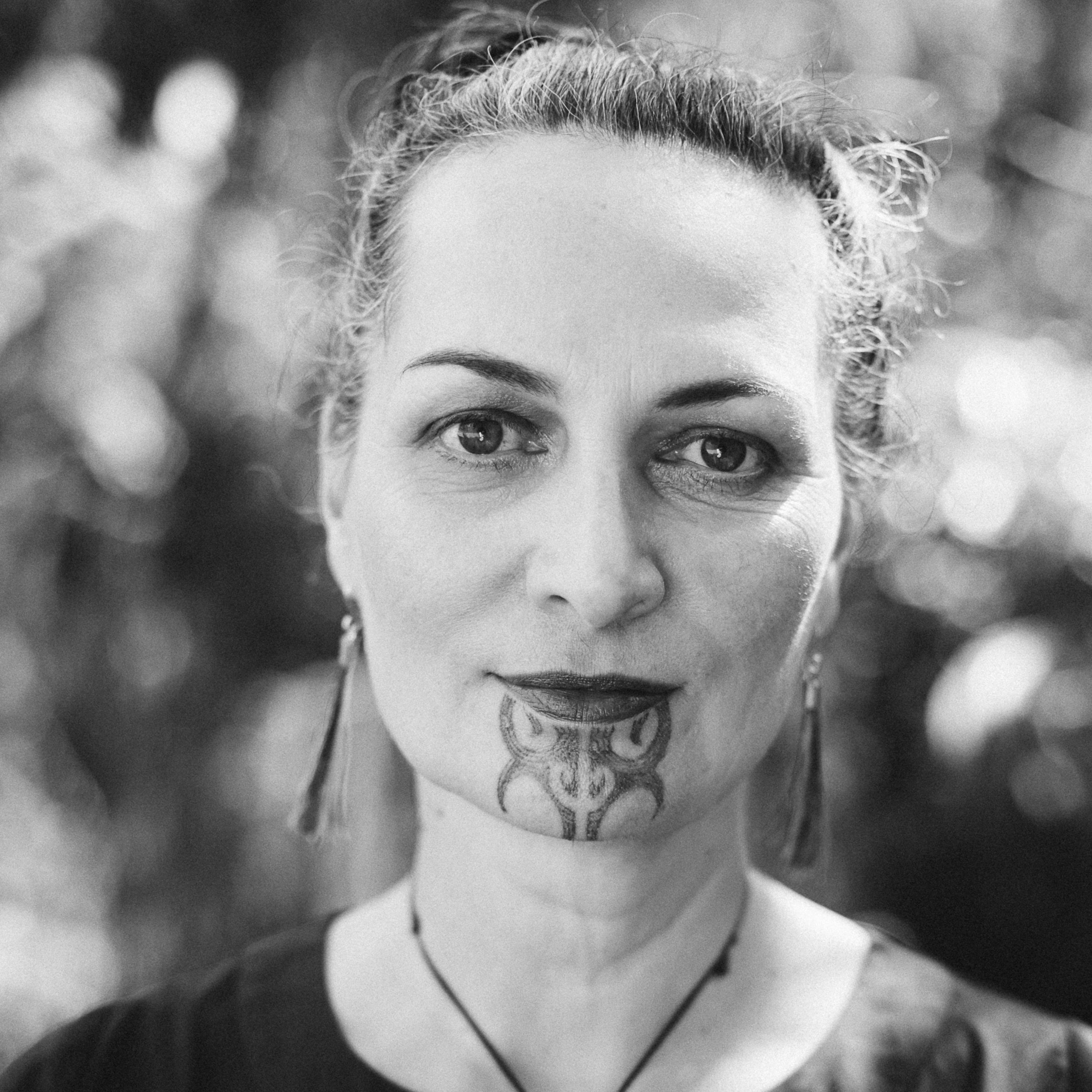
New Zealand Arts Laureate Ariana Tikao (of the Kāi Tahu tribe), is one of Aotearoa/New Zealand’s most versatile and sought-after players of taonga puoro (Māori instruments). She is also a poet and author with an empowering book, Mokorua (Auckland University Press), about her experience of receiving her moko kauae, the traditional chin tattoo worn by Māori women. Her poetry and essays have appeared in Landfall, Takahē, Cordite, and various anthologies. Her debut poetry collection Pepeha Portal will be published by Otago University Press in April 2026.
Beautiful! I love all the details and “curls like tightly wound anger”.
Love this essay! Thank you for it.